121. After experiencing four painful miscarriages and four years of secondary infertility, journalist Ali Prato found herself facing a single, high-stakes choice: one out-of-pocket round of IVF with just one healthy embryo. Ali opens up about overcoming marital tension, giving birth at 41, and how that single “Hail Mary” embryo inspired her to build a vibrant community and author children’s books that normalize IVF for families everywhere.
On episode 121, podcast host and author Ali Prato shares her raw, personal story of navigating the emotionally taxing space between having her first child naturally in her mid-30s and struggling to expand her family years later. From the emotional toll of four miscarriages to borrowing funds from family to afford a single round of IVF, Ali details the daunting process of self-administered injections, waiting on embryo genetically testing results, and putting all her hopes into a single healthy embryo.
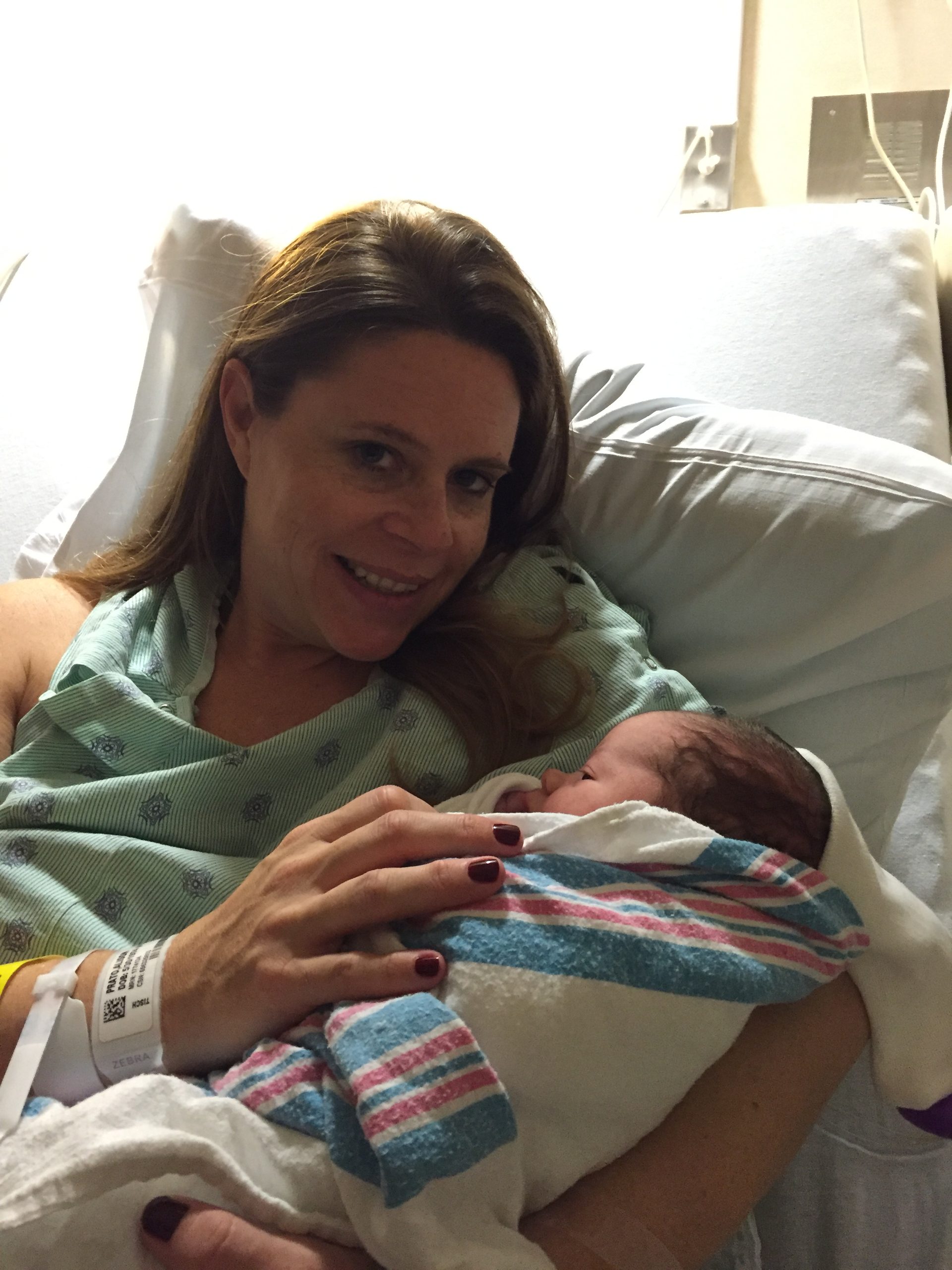
Her story moves from the anxiety-ridden early days of pregnancy after loss to the overwhelming joy of hearing her son’s heartbeat and delivering him safely via C-section at age 41. Beyond her birth story, Ali discusses the reality of parenting later in life, the power of finding a community that understands fertility struggles, and her ongoing work to destigmatize assisted reproductive technology through her children’s books and media platform. Her experience offers reassurance, practical perspective, and deep comfort to anyone currently navigating the uncertain path to completing their family.
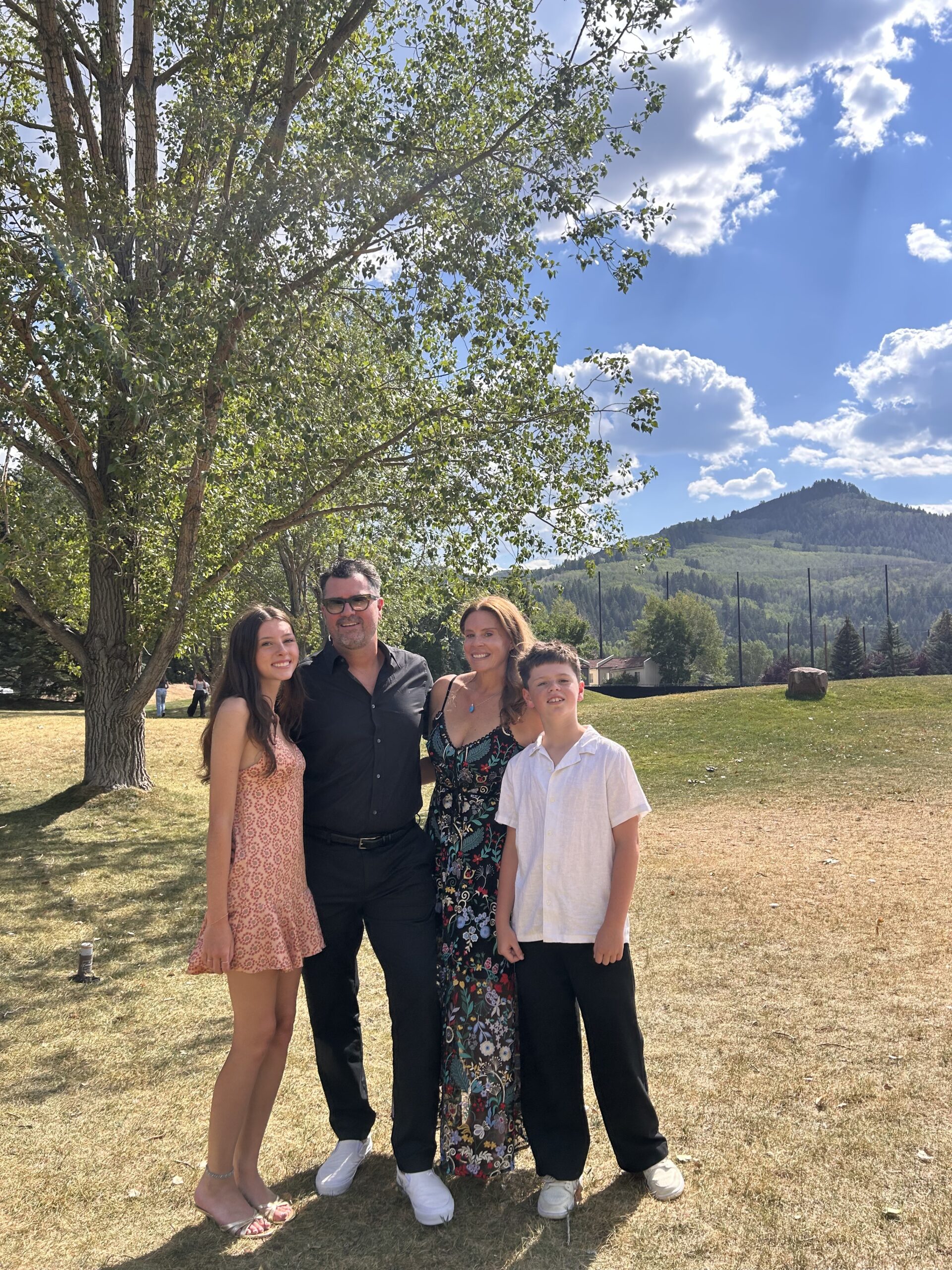
About the Guest
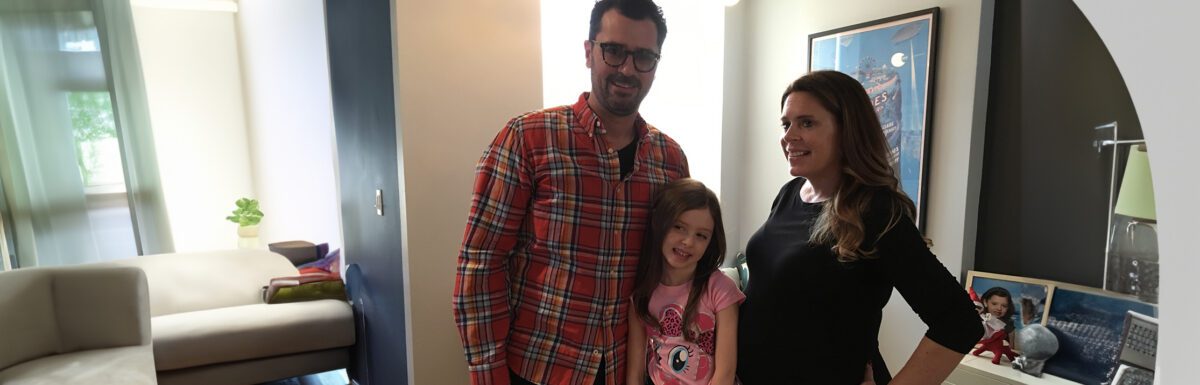
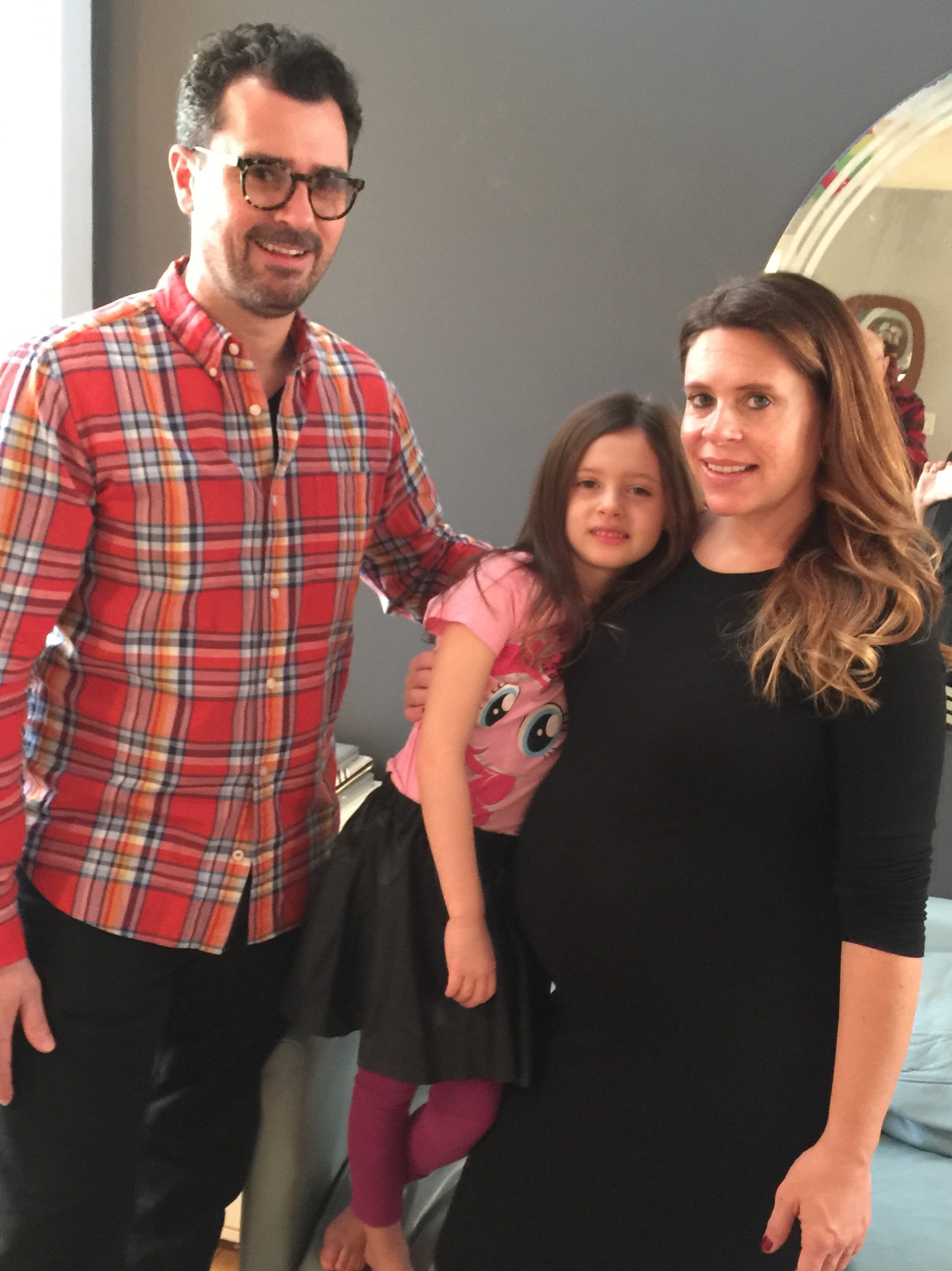
Ali Prato is a journalist, advocate, podcast host, and author based in New Jersey. After experiencing secondary infertility, four miscarriages, and a successful single-embryo IVF cycle that led to the birth of her son at age 41, Ali channeled her personal journey into building one of the premier support communities in the fertility space.
In 2019, she launched the Infertile AF podcast, an unfiltered, candid platform featuring hundreds of stories covering IVF, donor conception, surrogacy, adoption, and non-linear paths to parenthood. Expanding her advocacy to younger generations, Ali authored the Work of ART children’s book series—including Work of ART and Petri Dish Princess (co-created with Elizabeth Carr, the first IVF baby born in the U.S.) designed to help children understand assisted reproductive technology with pride, openness, and celebration.
Connect with Ali:
- Website: Infertile AF Group
- Instagram: @infertileafstories
- Book: Petri Dish Princess
Key Topics
- Navigating Secondary Infertility & Recurrent Loss: Coping with four miscarriages over four years and recognizing egg quality as the primary hurdle when trying for a second child.
- The “One-Shot” IVF Journey: Navigating financial strain, out-of-pocket costs, spouse hesitation, and the high stakes of having a single healthy tested embryo result in a successful pregnancy.
- Pregnancy & Delivery at 41: Managing physical recovery, undergoing a planned C-section due to a breech baby, and reframing the social stigma around “geriatric” pregnancy.
- Advocacy & Normalizing Reproductive Technology: Turning personal struggle into advocacy through the Infertile AF podcast and authoring children’s books (Work of ART, Petri Dish Princess) to destigmatize IVF and support others.
Resources & Links
Note: Some of the links below are affiliate links, which means I may receive a small commission at no extra cost to you if you make a purchase. I only recommend products our guests truly love!
Instagram: Follow Over 40 Fabulous and Pregnant
YouTube: Watch Episodes HERE
Recommended Products: Palmer’s Massage Cream
Shop More: See ALL products recommended by our guests!
Support the Podcast: Donate to the Podcast
Community: Join the Over 40 Fabulous Facebook Group
Transcript
Jamie: Ali, welcome to the show.
Ali: Hi, Jamie. Thanks for having me.
Jamie: We are sharing her pregnancy story at 41 with IVF. But before we get started, Ali, will you tell us a little bit about yourself?
Ali: Absolutely. I am married my high school sweetheart, although I always give a caveat that we went to two different colleges, so we dated other people in college, ’cause it sounds weird to not have dated anybody, since we were 16.
We now live in New Jersey, and I’m a journalist, and heavily ensconced in the fertility world now after going through my IVF journey with my second child. thankfully it worked and I ended up having my son at 41.
Jamie: Will you kinda go back, did you always want kids, and what was that first pregnancy like in your 30s?
Ali: Yeah. I think I always knew that I would have kids. It wasn’t like some burning desire like, Oh my God, I can’t wait. It just, I just, I love big families. I come from a big family, and I, when my husband and I, after we got married, we actuAli moved from Chicago to New York right away, like the first year.
We probably would’ve started to try having kids earlier had we not moved across country to start. I had a job transfer, and he was starting a new job, and we were starting our lives over. We moved to New York a year after we got married, but we weren’t ready yet. So we waited for a little while because we were like, We don’t know anybody here. We can’t have kids right away. We like have to get ourselves established in this new city, and I don’t even know how to use the subway yet. I can’t bring a kid into this world.
So we waited for a little while to start to try for our daughter. Thankfully, we did get pregnant fairly easily with her. I think a couple of months of trying. I was 34 when I got pregnant with her and had her at 35.
Where we ran into issues was when we started to talk about having another baby. I thought, Oh, I can get pregnant anytime. This is over 10 years ago , people weren’t reAli talking about fertility treatments and, donor conception and surrogacy and things like that. It was a lot more hush-hush than it is now.
I reAli didn’t know much about my fertility. I think I found myself in this secondary infertility struggle because my issue was having older eggs. It was an egg quality issue as I know now. But I didn’t know at the time. So that was what happened with starting to try to have our our second child.
Jamie: So were you getting pregnant and it wasn’t sticking, or were just not getting pregnant at all?
Ali: Yeah, I had four miscarriages between
Jamie: Oh
Ali: having my daughter and when we finAli went to see a a fertility doctor, and then went down the IVF journey. I was getting pregnant, but I wasn’t able to stay pregnant, so now I know this is recurrent pregnancy loss. It was just because they were not healthy embryos, because it was, an egg quality thing.
When we finAli… it was a reAli long road, and it was a hard almost four years of trying before we went to see the IVF doctor. I was reAli depressed, and I felt reAli alone. It reAli took a toll on my relationship with my husband. We were in the weeds of it, but I just kept feeling like I wasn’t finished completing my family yet.
Jamie: Yeah.
Ali: He and I were not on the same page necessarily about going down, a fertility doctor route, but I went and saw Dr. Joshua Klein, who’s amazing. He gave me a workup and said, you’re the perfect candidate for IVF because you have a pretty good egg reserve. We just have to find the healthy eggs and then you can make healthy embryos. And hopefully go on to have a successful pregnancy.
Jamie: Can we go back? You had four miscarriages. How were you feeling during that time? ‘Cause I’m surprised it took four miscarriages before going to the fertility doctor.
Ali: Yeah, I was feeling horrible. But this wasn’t talked about a lot. It wasn’t super common to go to a fertility doctor, at least in my friend group. I didn’t even reAli realize that was an option. I think I was too depressed to do it, and my husband wasn’t super in favor of having medical intervention right away. So I think that all fed into me waiting.
Jamie: Okay. What was that conversation like, and how long did you try before you decided to go to a specialist?
Ali: It was about three to four years all in, and then finAli after the fourth miscarriage, I was like, Okay, we’ve got to do something. I wasn’t sure what to do, I didn’t have any friends who’d reAli gone through IVF. ActuAli, I found out later that I did have a few, but I didn’t know they had gone through it ’cause they weren’t talking about it.
So it was a big unknown for me. It wasn’t necessarily easy to take that leap and talk to somebody. I was in therapy , so it was the therapist had gotten me to the point mentAli where it was like, okay, if you guys are going to be a family of three, it’s okay. But I still had that burning desire that we weren’t quite done building our family yet. We ended up, after many discussions, we came to a compromise that we were going to try one round of IVF.
I’m always very open about this ’cause I think it’s reAli common for people to not be on the same page and that’s exactly what we went through. Unfortunately it was all out-of-pocket. None of it was covered by our insurance, so that was another point of contention in our marriage. Oh my gosh, this is so expensive. It’s gonna be like, 20 to $30,000 out of pocket. We don’t reAli have that money. We had to borrow money from both sets of our parents to pay for it.
We did it. I went through that when I was 40. We had five embryos that we sent off for testing, and then when we got the test results, there was only one healthy embryo. So it was literAli like a Hail Mary. It was like one embryo, one shot at IVF.
Jamie: Wow. Can you help us walk through your egg retrieval? How were the medications on your body, and how many eggs did you end up getting?
Ali: The retrieval, it was okay. Before the retrieval, the meds and like going through all the stims and stuff, it was okay. I remember thinking Wow, I can’t believe I’m getting this huge box of medication that costs like $4,000 and I have to inject it myself, and they’re telling me how to mix it. And there were certain things you had to mix together, and there were certain things that had to be done at a specific time.
I remember thinking, wow, this is like a lot of responsibility. The stakes are reAli high, and I can’t believe that people do this every day. I feel like I’m a pretty smart and capable person, but I was like, “I feel like I could reAli screw this up,” there’s so much margin for error here. So that was reAli nerve-wracking.
I ended up giving myself all my own injections. I don’t think my husband wanted to stick me with any needles or anything. I think he he did the ones in my butt that I couldn’t reach. But it was okay. I didn’t reAli know what to expect.
I was just like ignorance is bliss. I didn’t do tons of research. I just followed the doctor’s orders and took the meds when I should. When it went time for the retrieval, I had 29 eggs.
Jamie: Wow.
Ali: But then there’s like an attrition rate, then it went down to 13. Then when it came to making the embryos, there were five that were sent off for testing.
Jamie: How did you decide to do the testing on your embryos?
Ali: I think because it was just this one-shot deal and, I was like, you know what? We’re already spending all this money. I know the testing is an additional cost, but we’ve come this far. Let’s give ourself the best chance of getting the healthy embryo.
And I’m glad we did because, we had five embryos and four of those were not healthy, so those would’ve resulted in either not a pregnancy or another miscarriage. I’m reAli glad that we did go through with the testing and find that one healthy embryo that ended up being my son.
Jamie: How was the transfer? Because it was your one shot, was there more pressure because of that?
Ali: TotAli. It was lots of pressure, but it also was okay, this is it. We’re gonna have closure either way. I’m gonna get pregnant and we’re gonna hopefully have a healthy pregnancy and baby, or we are done with this chapter. Because it had been a long, three to four years. And I think I was glad to just have some sort of decision that was going to be made, ’cause it was, going through it was reAli hard. I got depressed. I felt reAli lonely. Even though my husband was with me he had a totAli different experience than I did, going through all this, obviously.
It was lots of pressure. If it hadn’t been successful, we would’ve been okay. But I’m very glad that it did work. Now I know, in retrospect, ’cause I’ve talked to thousands of people that have gone through fertility treatments, and now I know just how lucky I was that it was the one embryo, one transfer, and it did, stick, for lack of a better word, and I had my son.
Jamie: How was it going through the two-week wait? Were you doing any traditions of the IVF community? How did that look like?
Ali: It was okay. We actuAli got lucky timing-wise because we had a vacation planned right after I did my transfer, and it was just a happenstance kind of a thing. It just worked out. So we were gone. We were out of town. I do know that I didn’t want to early test. I didn’t want to be one of those people that, would test on my own, take an at-home pregnancy test because I was worried that it was either gonna be- become a false pro- positive or a false negative. I just wanted to wait until I was, like, back from our trip and, go to the doctor’s office.
I remember going in. I don’t know if it was exactly two weeks. It might have been, like, 10 days, but I went in at 6:00 in the morning. They did the test, and they were like, “Okay, go home and take a nap, and we’ll call you with the results.” And I was like, “Nap? I’m not gonna be able to sleep right now. Are you crazy?”
So I went home and was just pacing around and freaking out. And I didn’t have any of those feelings like, some people say, “Oh, I could tell I was pregnant,” or, “I felt the implantation,” or anything like that. I was just kinda “I don’t know. I hope so, but…” And then I’ll never forget when they called me, and they were like, “Congratulations, you’re pregnant.” And I dropped the phone and was just started sobbing with joy.
Jamie: Yeah. And after four losses, did you believe this was reAli gonna happen? Was it hard for you to reAli, comprehend that?
Ali: Yeah. I was in a kind of a surreal state, and I think that pregnancy after loss can be reAli hard because you have gone through loss before, and you know how badly it can go. And you don’t have that ignorance is bliss, “I’m pregnant. Everything’s gonna be great.” You’re always waiting for the other shoe to drop, and you’re always protecting your heart. So I think that was how I felt at first. I was nervous that it wasn’t gonna, continue on. But as it went on and everything was looking good, I think I was able to exhale a little bit more.
Jamie: And what about your doctor? How did you find a doctor? Did you just use the one you previously used?
Ali: Yeah. I don’t remember it being, like, a big thing. They weren’t like, “You’re graduating,” or anything like that. I just went in for a couple checkups after the transfer and everything was looking good, and then I just had regular, visits after that with an OB.
Jamie: Yeah. Yeah. What was it like hearing the heartbeat for the first time?
Ali: Oh, my gosh, so emotional. When you want something so badly and it’s not happening, it’s so hard, and it’s so lonely, and it’s so sad. And, when, thankfully, when it finAli did happen for me and, the IVF was successful hearing that heartbeat was just the best thing in the world. I mean-
Jamie: Yeah
Ali: … I’m welling up thinking about it even though he’s almost 11 now it still gets me reAli emotional, ’cause there was a lot of lots of PTSD involved with everything that I went through.
Jamie: Yeah, definitely. What was the rest of your pregnancy like?
Ali: The pregnancy was okay. I mean- i felt pretty good. I exercised a lot. I think I was, riding SoulCycle till I was, like, almost ready to give birth, which was interesting. I remember my instructor at the time was like, “We’re gonna break your water in class.” And I was like, “Please don’t.” And thankfully that did not happen. But yeah I felt pretty good. I was just very happy that- Yeah … it had worked.
Jamie: Yeah. Since you did the testing, did you know the sex during the transfer? I didn’t- Or did you find out?
Ali: No, I didn’t at the transfer. I asked my doctor not to tell me, and he didn’t. Then once we got to the point where we knew, it was viable and the pregnancy was going well, it might have been when we did the anatomy scan. He had known all along, and it was l- the only embryo that we had. I remember he sent me an email and said, “It’s a boy.” And n- this is neither here nor there, but the, all the other embryos were female, the ones that were not healthy, so he was the only boy in the mix.
Jamie: Yeah. How’d you feel about that?
Ali: I don’t know. Not who cares, but just- … I just wanted a, a healthy baby. Yeah. I wasn’t r- rooting for one, gender or the other, but I just… It was just interesting that that’s how it shook out.
Jamie: Yeah. And what about cravings? Did you have any during pregnancy?
Ali: I don’t remember having any crazy cravings during pregnancy. I feel like I tried to be reAli healthy. I remember eating a lot of fruit. Of course pineapple is the thing that people say that can reAli help you with the implantation and if you’re going through a transfer.
So I did eat pineapple maybe even just symbolicAli throughout, ’cause I’d had it before my transfer and then during the pregnancy as well. But nothing crazy.
Jamie: Okay. And was there any products or anything that helped you during pregnancy that you could recommend?
Ali: Ooh, that’s a good question. I used a lot of body oils and things on my belly.
I can’t remember the specific brand. I feel like Palmer’s was one of the lotions or oils that I reAli liked a lot. I feel like it was called Biomead. There was some sort of oil that smelled reAli good that I would put on my belly before I went to bed.
I remember my hair looked reAli good. Like people will know this dur- you’ve got all those hormones, and your hair is reAli thick, and it looks reAli good during pregnancy, so that was nice. And then it promptly fell out after I had him. But- … for a minute it looked reAli good.
He’s almost 11 now, so there’s so many good products now that I, like- … get all these Instagram ads and things like that, or people will tell me about, and I’m like, ooh, I wish I had that when I was going through it. I feel like there’s so much more now for pregnancy, and especiAli pregnancy when you’re a little bit older.
Jamie: And since your kids are seven years apart, how did you prepare for your second baby?
Ali: It’s funny I’ll see people now that don’t know that I went through infertility, and they’re like, “Wow, that’s a interesting choice,” “that’s a bold spread.” Depending on the circumstance, sometimes I’ll be like that wasn’t reAli the original plan” or sometimes I’ll just be like, “Yeah, it’s crazy,” if I don’t wanna get into it. I think I was just again, so grateful and so happy that, it had worked and that we were going to have a second kid.
MentAli, I was 100% prepared couldn’t have been more ready and more wanting to have him. We had a lot of the hand-me-downs for my daughter gender neutral stuff, and then my friends threw me a sprinkle, like a, a second shower before I had him too, yeah, it was pretty great.
Jamie: Did you need to do any classes or refresh on any of that?
Ali: I didn’t. I think it’s because I have so many, I have such a big family, and so many of my friends have kids and stuff that I’ve always been around babies and kids, so I think I, I kept up the diaper changing and the swaddling and all that stuff. Even though my kids are seven years apart, it wasn’t like I wasn’t with babies between when she was a baby and when he was born.
Jamie: Yeah. So moving to your birth did you ever consider a VBAC or were you just set on doing a C-section?
Ali: Both my daughter and my son were breech, so I ended up having to… And I also had pl- placenta previa with my daughter, which is not fertility or infertility related or anything like that. It just means that my placenta was blocking my cervix, so I had to have a C-section. So with my son, my OB was like, “You’ve already had one C-section.”
And I had a good C-section experience. So they were like, Do you wanna just do it again with your son since he’s breech anyway? And I was like, Yes, of course I do. So I did a C-section with him as well.
No judgment or anything like that. I feel like everybody has their own journey and I wasn’t reAli interested in one.
Jamie: Okay.
Ali: Like I said, I had a good C-section experience and I wasn’t of the mindset where it was like, I don’t feel like I’m gonna have a complete birth if I don’t have a vaginal birth or anything like that. It was just like, I just wanna have a healthy baby and I just wanna him to come into the world.
Jamie: Yeah. You wanna walk us through your C-section and scheduling that to hearing him cry?
Ali: Yeah. The doctors scheduled it for maybe when I was, like, 38 weeks pregnant. One of the good things about a C-section is you know when the baby’s gonna come. So we had family coming in town. My parents were coming into town, and my husband’s parents were coming into town as well. I ended up getting my hair done the morning of my C-section I love that … ’cause the C-section wasn’t until maybe noon, and I was like I know I’m gonna have the baby today, and I might as well get a little glam squad to come over.
I remember they were, like, at my house doing my hair, and they’re like, “What’s the occasion?” And I was like, “I’m having a baby later this afternoon.” And they were like that’s a first,” and they started laughing. That was just a fun little thing, ’cause I wanted to get cute pictures of my daughter with my big bump and stuff.
That was the good part of having the C-section. But yeah, when he when he was born, I just remember, so many tears of joy. Just so much feeling eternAli grateful and feeling so relieved and feeling like, “Wow, that sucked. That was, like, a horrible journey from the first miscarriage to now and several years and all the things I went through.
But, I’m just… I’m reAli grateful that he’s here. I still tell him every single night before bed, “I still can’t believe you’re here,” ’cause I reAli can’t believe that it worked. Knowing what I know now I still can’t believe that we got so lucky. And I always say, “I still can’t believe you’re here.”
And then he goes, “I’m always gonna be here.”
Jamie: Aw.
Ali: That’s his response to me. That has been the response for l- the last handful of years. So yeah it’s just, it’s pretty, pretty great. I f- I feel very lucky that it worked out how it did.
Jamie: Going back to your section, do you have any moments or details that you remember about it? Did the anesthesia bother you, or did you have- … a certain playlist or anything?
Ali: I didn’t. I didn’t have a playlist, and no, I think the anesthe- I re- I remember being like, “All right. Give me that epidural. Let’s go.” I was like… I felt good. I was excited about it, and, there was no hiccups or anything along the way, thankfully.
Jamie: No fears reAli came to you. You were just excited.
Ali: No. Yeah.
Jamie: That’s awesome. Yeah. So what about your recovery from the C-section? How was that?
Ali: It was good. I think part of it, I felt reAli strong and good in my body that, like I said, I’d been exercising a lot the whole pregnancy and eating reAli healthy. So I think that contributed to, just a, a pretty decent recovery. I don’t remember being, like, laid up for a, a super long amount of time. And, I had a almost six-year-old at home, or I guess she was six. Yeah, she was six. It wasn’t a lot of, I th- I think I stayed, in bed or horizontal for the allotted amount of time, but as soon as I was able to get up and, start taking her to her, play dates and her ballet classes and all that stuff, I was, like, up and about.
I remember my husband saying, “Wow, you’re, like, up and about soon.” I’m like let’s go. I got these kids to raise now.”
Jamie: Yeah, and what about breastfeeding? How did you choose to feed your baby?
Ali: I did breastfeed.
Jamie: Okay.
Ali: It was not super-duper easy. I r- I know I definitely struggled, and I met with a lactation consultant in the hospital.
I had a harder time with my daughter than with my son, but still, neither of them were, like, super easy. We had to reAli work at it and, try some different techniques and things. And then I did breastfeed him until he was nine months old and then that was it.
Jamie: And mentAli, how were you when during your recovery?
Ali: I think I was just in a state of bliss, to be honest. So grateful and so happy that it had gone r- reAli and that it had worked out how it did. I know postpartum can be reAli brutal and it’s valid and, a lot of people struggle with that and I’m, I feel, again, very grateful that I didn’t have any of those postpartum, like, depression or baby blues or anything like that. I was just very happy.
Jamie: Yeah. Did you feel complete with your family after he was born? That was it.
Ali: Yeah. I did. I did. That was it. Yep. Thankfully I did. And I think that it was such a long road. So many… such a rollercoaster, so emotional that yeah, that once he was here, we have dogs, so we’ve added to the family in the dog way. But once, once he was here, we were, we knew we were definitely done having children. But I have two dogs too.
Jamie: And what has been your biggest challenge being pregnant over 40?
Ali: One of them is I always hated the term geriatric pregnancy, and I’ve always advocated to get rid of that term because I think it’s so rude.
It makes it sound so terrible and negative and you’re like some grandmother. So that was part of it, was just like, oh, geriatric. Whenever you’d go to the doctor or whatever, they’d be like since you’re over…” It was like over 35 they call it geriatric. But that’s just like a superficial one.
When you do the math, when my son… So he’s, I’m 52 now. He is going to be 11 in a couple of months. When he graduates from high school, I’m gonna be 60. It’s just a number, and, I s- I still don’t even… When I say that I’m 52, I’m like, “What? I’m like 20.” Age is just however you feel. But I do think that’s part of one of the ch- one of the challenges of having kids later in life, is that thinking, “Gosh, I hope I’m here when they get married and when they have kids.” You start to think about the back end and I s- I do say to my kids “Don’t wait so long.”
I tell my daughter, she’s almost 17, I’m like, “Not yet. Not even close to being yet, don’t do this yet. But, maybe try to have kids in your 20s,” ’cause selfishly I wanna be around as the grandma, so I think it is, like it’s being an older parent.
And I’m tired. And I don’t know if I’d be as tired if I was 10 years younger. But those are all good problems to have, right? Yeah. He’s here. They’re here. It’s not reAli that big of an issue. But when I d- when I do the math and I’m like, oh my God, it, when I go to parents’ weekend if he goes to college, I’m gonna be like a g- people’ll be like, “It’s not grandparents’ weekend,” i’m gonna be, I’ll be in my 60s at that point. But maybe I’ll get the Kris Jenner facelift and everyone will think I’m 40.
Jamie: Definitely. Is there anything that you recommend that could help prepare someone for pregnancy and birth over 40?
Ali: Oh gosh, lots of community. Find your people that you can talk to. My coping mechanism has always been, finding people that are going through similar things and sharing stories. So I would say, if you are in that situation it might help to find another person or a couple of other people that are going through it at the same age as you just ’cause you can, joke about things like I was just joking about or, talk about the issues that you have maybe being a little bit older.
So definitely, I would say try to find your people.
Jamie: And what advice would you give yourself when you were pregnant if you could go back?
Ali: I would say try to sleep more. Try to get more rest. Try to put those feet up. My legs were s- so swollen through both of my pregnancies, and I think it was just a circulation thing. I remember I did get a sonogram at one point ’cause I was, like, worried that I had a blood clot or something, ’cause my left leg in particular was so swollen.
Maybe drink more water. Try not to do all the things and rest a little bit more is what I would say.
Jamie: Yeah, that’s a good one. Now, we have a lot of women who are listening right now who are trying to conceive. What do you say to those women?
Ali: First of all, if you are trying to conceive and having a hard time, I’m so sorry, and I’m, I’ve been through it, and if you ever wanna reach out to me and talk about it you can contact me on Instagram or, I’m happy to listen to people’s stories, try to help them out, give them resources.
It’s reAli hard when you wanna have a baby and you can’t, it’s reAli hard, and it’s sad, and your pain is valid. So I would say you’re not alone, would be my biggest piece of advice. I’m here. You’re here, Jamie. There’s so many people in this community and in the TTC world who want to help and are willing to help, so don’t hesitate to reach out and ask for help because, nobody should go through this alone.
Jamie: Yeah. That’s perfect. And you have your podcast. Would you also like to talk-
Ali: I do …
Jamie: about your book too?
Ali: Yeah. So I didn’t reAli have a support system of people that were going through it at the same time. That’s why I went on ultimately to start a podcast called Infertila Laugh after I had my son he was a couple of years old. It started in 2019, so there’s been about 400 episodes about having babies through assisted reproduction or not having babies but trying to. There’s been so many diverse stories and it’s been reAli great to just get those stories out there to try to help people feel less alone and hear other people’s experiences and stories.
Then I started writing a book series a couple of years ago, and I have one here. This is the first book I wrote. It’s called Work of ART, and it’s my son’s story. It’s an IVF kid learns about assisted reproductive technology, ART. So this is basicAli me writing the story of how, my son was created in a lab. And how that’s something to be celebrated, and nothing to be ashamed of, and just again normalizing the conversation about assisted reproduction.
Then the next book that just came out, so the fourth children’s book I’ve written, it’s called Petri Dish Princess. It’s the story of Elizabeth Carr, who is the very first IVF baby in the United States. Elizabeth and I have become friends, just from working in this world, and she’s been on my podcast a couple times, and we’ve been at events together. When I was getting ready to write the fourth Work of ART book, I thought, it would be pretty cool to tell Elizabeth’s story from her point of view. So I called her, “Do you wanna be the subject of my next Work of ART book?” And she’s like, “Yes, absolutely.” So the book is about her.
It’s her, it’s her origin story, and what her parents went through. She was born in 1981, and it was, like, a huge deal in the media. They called her a test tube baby at the time. She was on the cover of Life Magazine. She’s still a huge advocate for IVF, and she’s proud to be she calls herself the Petri Dish Princess because louise Brown was the first IVF baby born in the world, and she was born in England. So Elizabeth Carr says, “Louise Brown is the queen. Since I was the first one in the US, I’m the princess.”
Jamie: That’s cute.
Ali: So that’s where the title comes from. This book just came out, and she and I are just normalizing the conversation about IVF, and donor conception, and surrogacy, and solo parenting, and LGBTQ plus families, and just all the beautiful, amazing ways that families can be made through assisted reproduction.
Jamie: I love it. Ali, thank you so much for your hard work into this, and helping-
Ali: Thank you …
Jamie: women through this.
Ali: Thank you so much for having me, and thank you for doing what you’re doing. Yeah. Sharing these stories. This is how we can support each other, just letting people know you’re not alone. I see you. I’ve been there. I get it. So thanks for doing what you do too.
Jamie: Would you like to give your links and your contacts?
Ali: Yeah, absolutely. If anybody wants to reach out to me, I’m on Instagram at InfertileAFStories is my Instagram handle. And I have a website, too, where you can find more information, events, things like that, and it’s infertileafgroup.com is the website. And I’m happy to talk to anybody, help anybody out. Yeah, just feel super passionate about making it suck less for people coming after me.
Jamie: Yeah. Awesome. Where can we buy your books if someone wants to buy a book?
Ali: So those are available on the website.
Jamie: Okay
Ali: It’s infertileafgroup.com, and there’s links, on my Instagram as well. So you can go to either place.
Jamie: Perfect. Ali, thank you so much for coming on the show and sharing your wisdom.
Ali: Thank you so much for having me. Thank you. Thank you.